Hypertension, commonly known as high blood pressure, is one of the most widespread chronic health conditions affecting adults worldwide. It occurs when the force of blood pushing against artery walls remains consistently elevated over time. Because this process happens silently inside the body, millions of people live with hypertension for years without ever experiencing an obvious warning sign.
This "silent" quality makes hypertension particularly dangerous. Without regular monitoring, the condition can quietly damage blood vessels, the heart, kidneys, and other vital organs long before a person seeks medical attention. When left unaddressed, it significantly raises the likelihood of life-altering events such as heart attack, stroke, and kidney failure.
The encouraging reality is that hypertension is both manageable and, in many cases, preventable. A combination of informed lifestyle choices, appropriate medical care, and consistent self-monitoring can help most people bring their blood pressure to a healthier range and reduce the risk of serious complications.
This article explores what hypertension is, how it develops, what symptoms — if any — it produces, and what evidence-informed strategies exist for managing and preventing it. Whether you have recently received a diagnosis, are concerned about your risk, or simply want to understand this condition better, the information here is designed to give you a clear and practical foundation.
What Is Hypertension (High Blood Pressure)?
Blood pressure is a measure of how hard circulating blood presses against the walls of the arteries as the heart pumps. It is recorded as two numbers: systolic pressure, which reflects the force during a heartbeat, and diastolic pressure, which reflects the force between beats. Both values are expressed in millimeters of mercury (mmHg).
Hypertension is diagnosed when blood pressure readings remain persistently above the threshold considered healthy. Clinicians generally recognize several categories, from normal (<120/80 mmHg) and elevated, to stage 1 (130–139/80–89 mmHg) and stage 2 (≥140/90 mmHg) hypertension, each carrying different implications for treatment urgency. A single high reading does not automatically confirm a diagnosis; consistent elevation across multiple measurements is typically required before a formal determination is made.
What Are the Symptoms of High Blood Pressure?
One of the most important things to understand about hypertension is that it rarely produces noticeable symptoms in its early or moderate stages. Most people feel completely normal even when their blood pressure is significantly elevated, which is why the condition is so often called the "silent killer."
In some cases, particularly when blood pressure reaches very high levels, a person may experience headaches, dizziness, blurred vision, shortness of breath, or nosebleeds. However, these symptoms are not reliable indicators — they can occur with many other conditions and are frequently absent even in severe hypertension.
Because symptoms cannot be depended upon for detection, routine blood pressure checks remain the only reliable way to identify hypertension before it causes significant organ damage.
What Causes High Blood Pressure?
Hypertension is broadly divided into two categories based on its origin. Primary hypertension, also called essential hypertension, has no single identifiable cause and develops gradually over many years. It accounts for the vast majority of cases and is thought to result from a complex interaction between genetic predisposition, lifestyle habits, and environmental factors.
Secondary hypertension, by contrast, arises as a direct consequence of an underlying medical condition. Kidney disease, hormonal disorders such as an overactive thyroid or adrenal gland tumors, obstructive sleep apnea, and certain medications — including some pain relievers, decongestants, and hormonal contraceptives — are among the recognized contributors. Identifying and treating the underlying cause in secondary hypertension can sometimes lead to meaningful blood pressure improvement.
Who Is at Risk? Key Risk Factors for Hypertension
- Age: Blood pressure tends to rise as people grow older, making age one of the most consistent risk factors for developing hypertension.
- Family history: A close relative with hypertension increases an individual's likelihood of developing the condition, pointing to a genetic component.
- Excess body weight: Carrying extra weight places greater demand on the heart and blood vessels, which can elevate pressure over time.
- High sodium intake: Diets rich in salt are strongly associated with elevated blood pressure in susceptible individuals.
- Physical inactivity: A sedentary lifestyle is linked to higher resting blood pressure and poorer cardiovascular health overall.
- Tobacco use and excessive alcohol: Both habits can raise blood pressure and accelerate arterial damage.
- Chronic stress: Prolonged psychological stress may contribute to sustained blood pressure elevation.
What Are the Complications of Untreated Hypertension?
When blood pressure remains elevated without adequate management, the continuous mechanical stress it places on blood vessels gradually causes structural damage throughout the body. Arteries become stiffer, narrower, and more prone to injury, reducing their ability to deliver oxygen-rich blood efficiently to vital organs.
Over time, this vascular deterioration sets the stage for a range of serious and potentially life-threatening conditions. The heart, brain, kidneys, and eyes are among the organs most vulnerable to the cumulative effects of uncontrolled hypertension. The damage often develops slowly and without warning, meaning that by the time complications become apparent, significant harm may already have occurred. Early and consistent management is therefore critical to protecting long-term health and quality of life.
Heart Attack and Heart Disease
Persistently high blood pressure forces the heart to work harder with every beat. Over time, this extra workload causes the heart muscle to thicken and stiffen — a condition known as left ventricular hypertrophy — which impairs its pumping efficiency. Simultaneously, hypertension accelerates the buildup of fatty plaques inside coronary arteries. When a plaque ruptures or a vessel becomes blocked, the result can be a heart attack or the gradual development of heart failure.
Stroke and Brain-Related Complications
The brain depends on a steady, uninterrupted blood supply. Hypertension damages the small and large arteries that serve brain tissue, raising the risk of both ischemic stroke — caused by a blocked artery — and hemorrhagic stroke, where a weakened vessel ruptures. Beyond acute stroke, chronically elevated blood pressure is also associated with cognitive decline and an increased risk of vascular dementia, as reduced blood flow gradually impairs brain function over years.
Kidney Damage and Kidney Disease
The kidneys contain an intricate network of tiny blood vessels responsible for filtering waste from the blood. High blood pressure damages these delicate vessels, reducing the kidneys' filtering capacity over time. This can progress to chronic kidney disease and, in severe cases, kidney failure requiring dialysis or transplantation. The relationship is also bidirectional — damaged kidneys can further raise blood pressure, creating a cycle that accelerates deterioration if not interrupted by treatment.
Vision Loss and Other Organ Damage
The retina at the back of the eye is supplied by small, pressure-sensitive blood vessels. Sustained hypertension can damage these vessels, leading to a condition called hypertensive retinopathy, which may cause blurred vision or, in serious cases, permanent vision loss. Beyond the eyes, uncontrolled high blood pressure can also affect peripheral arteries throughout the body, contributing to reduced circulation in the limbs and increasing the risk of arterial disease in multiple organ systems.
How Can You Manage and Treat High Blood Pressure?
Managing hypertension effectively typically involves a combination of approaches tailored to the individual's blood pressure level, overall health, and personal circumstances. The general framework follows a logical progression:
- Assess and confirm: Obtain consistent, accurate blood pressure readings to establish a reliable baseline before deciding on a course of action.
- Adopt lifestyle modifications: Dietary changes, increased physical activity, stress reduction, and improved sleep form the foundation of management for most people.
- Introduce medication when needed: When lifestyle measures alone are insufficient, a healthcare provider may prescribe one or more blood pressure medications.
- Monitor and adjust: Regular follow-up and home monitoring allow treatment plans to be refined as blood pressure responds over time.
Lifestyle Changes That Lower Blood Pressure Naturally
- Reducing sodium intake: Limiting salt in the diet is one of the most direct dietary steps for lowering blood pressure.
- Achieving a healthy weight: Even modest weight loss can produce meaningful reductions in blood pressure for those who are overweight.
- Limiting alcohol consumption: Cutting back on alcohol is associated with lower blood pressure readings.
- Quitting tobacco: Stopping smoking reduces vascular damage and supports overall cardiovascular health.
The DASH Diet: What to Eat and What to Avoid
The Dietary Approaches to Stop Hypertension (DASH) diet is a well-recognized eating pattern designed specifically to support healthy blood pressure. It emphasizes fruits, vegetables, whole grains, low-fat dairy products, lean proteins, and foods rich in potassium, magnesium, and calcium (with potassium intake adjusted under medical guidance for individuals with kidney disease). At the same time, it encourages limiting foods high in sodium, saturated fat, added sugars, and processed ingredients. Consistently following this pattern has been shown to contribute to meaningful blood pressure reductions in many individuals.
Exercise, Stress Management, and Sleep Habits
Regular aerobic exercise — such as brisk walking, cycling, or swimming — helps the heart pump more efficiently and supports lower resting blood pressure. Stress management techniques, including mindfulness, deep breathing, and relaxation practices, may help reduce stress-related blood pressure spikes. Adequate, consistent sleep is also important; poor sleep quality and insufficient sleep duration are both associated with higher blood pressure and reduced cardiovascular resilience over time.
Blood Pressure Medications: Types and How They Work
- Diuretics: Help the kidneys remove excess sodium and fluid from the body, reducing the volume of blood the heart must pump.
- ACE inhibitors (Angiotensin-Converting Enzyme inhibitors) and ARBs (Angiotensin Receptor Blockers): Relax blood vessels by blocking hormones that cause them to narrow, easing the workload on the heart.
- Calcium channel blockers: Prevent calcium from entering heart and artery muscle cells, causing vessels to relax and widen.
- Beta-blockers: Slow the heart rate and reduce the force of each contraction, lowering overall blood pressure.
Monitoring Your Progress: Tracking Blood Pressure at Home
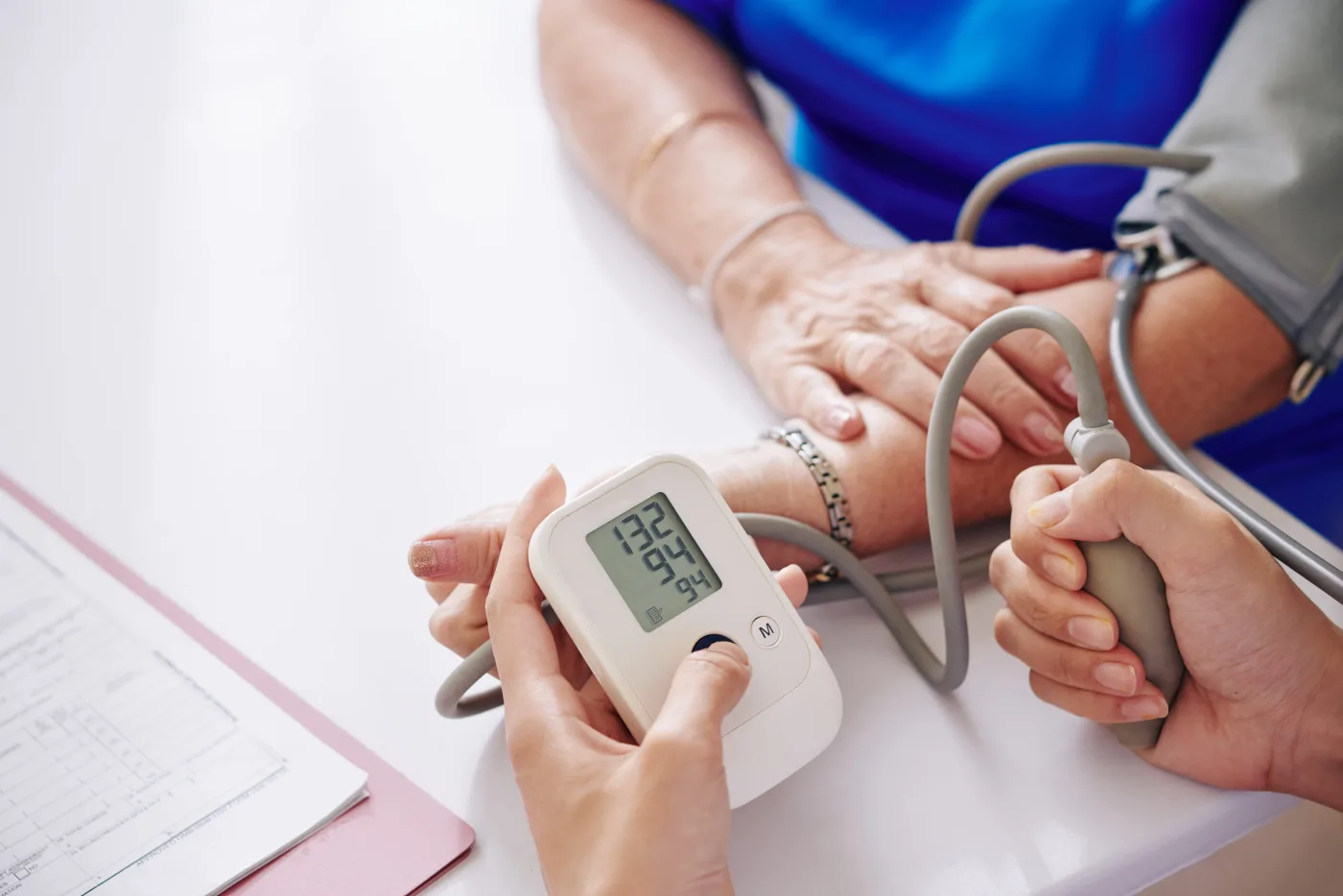
Home blood pressure monitoring gives individuals and their healthcare providers a more complete picture of how blood pressure behaves throughout daily life, beyond the limited snapshot of a clinic visit. Using a validated upper-arm cuff device, resting for 5 minutes before measurement, avoiding caffeine or tobacco for 30 minutes prior, and taking readings at consistent times allows accurate patterns to emerge. This information helps guide treatment decisions, confirms whether lifestyle changes are working, and can alert a person to concerning trends that warrant prompt medical attention.
How Can You Prevent High Blood Pressure?
Prevention is most effective when healthy habits are established before blood pressure begins to rise. Many of the same strategies used to manage existing hypertension also serve as powerful preventive tools for those who are not yet affected.
Maintaining a balanced diet low in sodium and rich in whole foods, staying physically active, keeping body weight within a healthy range, avoiding tobacco, and moderating alcohol intake all contribute to keeping blood pressure in a favorable range. Managing chronic stress and prioritizing quality sleep add further protection.
Regular blood pressure checks — even when feeling well — are equally important, as they allow early detection of rising trends before full hypertension develops and while intervention is most straightforward.
Frequently Asked Questions
What is considered dangerously high blood pressure?
A hypertensive crisis is generally recognized when blood pressure reaches very severe levels — typically a systolic reading above 180 mmHg and/or a diastolic reading above 120 mmHg. At this point, the risk of acute organ damage is significant and immediate medical evaluation is essential.
Can high blood pressure be cured permanently?
For most people with primary hypertension, the condition is managed rather than permanently cured. However, sustained lifestyle improvements can sometimes allow blood pressure to normalize to the point where medication is no longer needed, though ongoing monitoring remains important to ensure readings stay within a healthy range.
What are the first signs of high blood pressure?
In most cases, there are no noticeable first signs. Hypertension typically develops without symptoms, which is why it is so frequently undetected. Occasional headaches or dizziness may occur at very high levels, but these are unreliable indicators. Routine blood pressure measurement is the only dependable way to detect it.
Can stress alone cause hypertension?
Acute stress can temporarily raise blood pressure, but whether chronic stress alone causes sustained hypertension is less clear. Stress may contribute indirectly by encouraging unhealthy behaviors such as poor diet, inactivity, or excess alcohol. Managing stress is still considered a worthwhile component of an overall blood pressure management plan.
Is it safe to exercise with high blood pressure?
For most people with hypertension, regular moderate-intensity exercise is not only safe but actively beneficial for blood pressure control. However, individuals with very high or poorly controlled blood pressure should consult a healthcare provider before beginning a new exercise program to ensure the chosen activities are appropriate for their situation.
What foods should I avoid if I have hypertension?
People with hypertension are generally advised to limit foods high in sodium, such as processed meats, canned soups, fast food, and salty snacks. Foods rich in saturated fat, added sugars, and excessive alcohol are also worth reducing, as they can negatively affect blood pressure and overall cardiovascular health.
How quickly can lifestyle changes lower blood pressure?
The timeline varies depending on the individual and the changes made. Some people notice measurable improvements within a few weeks of adopting a lower-sodium diet or beginning regular exercise. Consistent adherence over several months typically produces the most meaningful and lasting reductions in blood pressure readings.
Do I need to take blood pressure medication for life?
Not necessarily. Some individuals are able to reduce or discontinue medication after achieving sustained blood pressure control through significant lifestyle improvements. However, this decision should always be made in close consultation with a healthcare provider, as stopping medication without guidance can allow blood pressure to rise again and increase health risks.
Can young people get hypertension?
Yes. While hypertension becomes more common with age, it can develop at any stage of adulthood, including in younger people. Obesity, physical inactivity, poor dietary habits, and secondary causes such as kidney disease or hormonal conditions can all contribute to elevated blood pressure in younger individuals who might otherwise seem low-risk.
What is hypertensive crisis and what should I do if it happens?
A hypertensive crisis occurs when blood pressure rises to severely elevated levels, potentially causing acute damage to the heart, brain, or kidneys. If accompanied by symptoms such as chest pain, severe headache, vision changes, or difficulty breathing, emergency medical care should be sought immediately without delay.
The content on this page is provided by Güven Hospital for general informational purposes only. It is not a substitute for professional medical advice, diagnosis, or treatment, and it does not create a physician–patient relationship. Never disregard professional medical advice or delay seeking it because of something you have read here. Please consult your physician for an evaluation of your condition and an appropriate treatment plan. If you are experiencing a medical emergency, call 112 immediately.