
Micro Ultrasound Guided Transperineal Biopsy
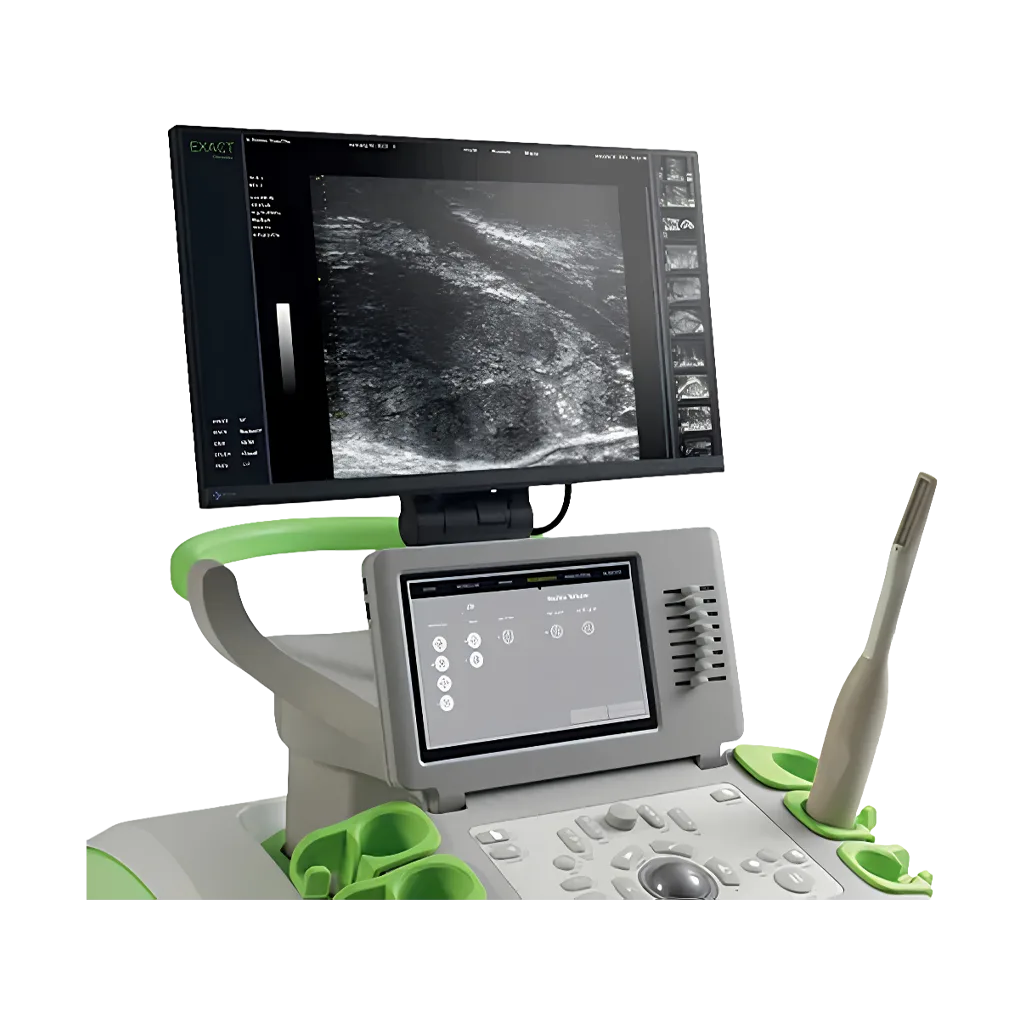
Precision Prostate Biopsy
Micro-Ultrasound Transperineal Biopsy is one of the most advanced and innovative techniques currently available for the diagnosis of prostate cancer. Utilizing micro-ultrasound technology, which provides significantly higher image resolution than conventional ultrasound systems, this approach enables detailed visualization of prostate tissue. Combined with the transperineal biopsy technique, it enhances diagnostic accuracy while minimizing the risk of infection.
Technological Infrastructure and Procedure
Micro-ultrasound systems operate at frequencies of up to 29 MHz, providing near-MRI-level visualization of the prostate gland. This high-resolution imaging capability allows precise identification and assessment of suspicious lesions within the prostate.
During a transperineal biopsy, biopsy needles are introduced through the perineal skin rather than the rectal wall. Compared with the traditional transrectal approach, this technique substantially reduces the risk of infectious complications. Real-time micro-ultrasound guidance enables millimeter-level precision in targeting suspicious areas, ensuring accurate tissue sampling and significantly reducing false-negative biopsy results.
Advantages
- High-resolution imaging enables visualization of even the smallest structural abnormalities within the prostate.
- The transperineal approach significantly minimizes the risk of infection.
- Targeted biopsy allows precise sampling of suspicious lesions.
- Reduced false-negative rates improve the likelihood of early and accurate diagnosis.
- Patient safety and comfort are prioritized throughout the procedure.
Clinical Applications
Micro-Ultrasound Transperineal Biopsy is primarily used for the diagnosis of prostate cancer and plays an important role in the following clinical scenarios:
- Suspected Prostate Cancer: Targeted biopsy in patients with elevated prostate-specific antigen (PSA) levels and/or abnormal clinical examination findings.
- Repeat Biopsy Following a Previous Negative Result: Evaluation of patients with persistent clinical suspicion or suspicious lesions identified on MRI or ultrasound despite a prior negative biopsy.
- Prostate Cancer Staging: Assessment of tumor extent and disease distribution in patients with a confirmed diagnosis of prostate cancer.
- Surveillance Biopsies: Periodic biopsy evaluations as part of active surveillance protocols for patients with low-risk prostate cancer.

Your Health
In Trusted Hands
The New Güven Health Group Mobile App Is Now Available!
Downloading our app is easy! Choose the link suitable for your operating system and start simplifying your life right away.