
Mammography Unit
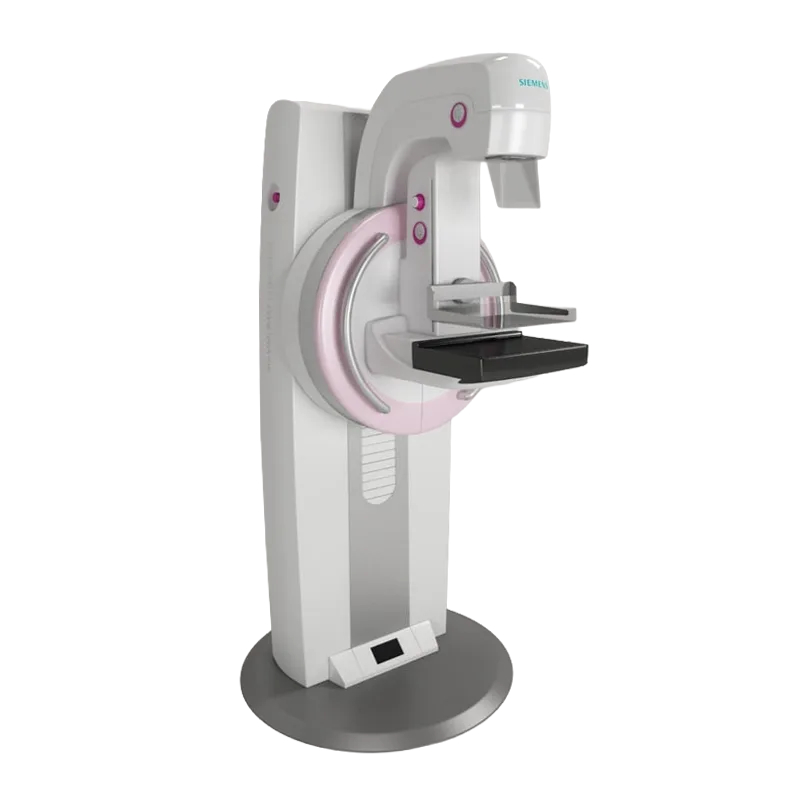
Standard Breast Cancer Screening
Mammography is the primary imaging modality used for the evaluation of breast tissue through low-dose X-ray technology. Recognized as the gold standard for the early detection of breast cancer, mammography plays a vital role in identifying lesions that are too small to be detected by physical examination. By enabling diagnosis at an early stage, mammography significantly improves treatment outcomes and survival rates. It is particularly recommended as a routine screening tool for women aged 40 years and older.
Technological Infrastructure and Procedure
Mammography is performed using a specialized imaging system that gently compresses the breast between compression plates (paddles) while low-dose X-rays are transmitted through the tissue. Variations in tissue density result in differential absorption of the X-rays, producing detailed images of the breast.
Modern digital mammography systems provide superior image quality while utilizing lower radiation doses compared to conventional technologies. In addition, Computer-Aided Detection (CAD) software assists radiologists by highlighting potentially suspicious areas, enhancing diagnostic accuracy and supporting clinical decision-making.
Advantages
- Facilitates early detection of breast cancer, leading to improved treatment success rates.
- Provides a safe and effective screening method using low-dose radiation.
- Digital imaging technology enables clear visualization of even small lesions and microcalcifications.
- Widely recognized and validated as a reliable routine screening tool.
- Quick and convenient procedure designed with patient comfort in mind.
Clinical Applications
Mammography is utilized for both screening and diagnostic purposes:
- Breast Cancer Screening Programs: Routine breast cancer screening for women aged 40 years and older.
- Diagnostic Evaluations: Assessment of palpable breast masses, nipple discharge, breast pain, or other clinical abnormalities.
- High-Risk Individuals: Early and more frequent surveillance for women with a family history of breast cancer or known genetic predisposition.
- Post-Treatment Follow-Up: Ongoing monitoring of patients following breast cancer treatment to detect recurrence or evaluate treatment outcomes.

Ваше здоровье
В руках доверия
Новое мобильное приложение Güven Health Group уже доступно!
Скачивайте наше приложение с легкостью! Выберите ссылку, соответствующую вашей операционной системе, и сделайте свою жизнь проще прямо сейчас.